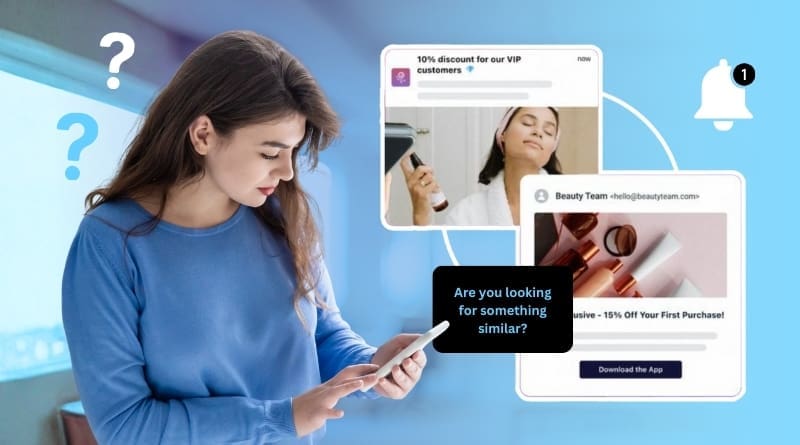
Most retailers believe that personalizing the customer experience means use of a customer’s name, tracking purchase history, or running segmented campaigns. But this is only surface-level personalization. It relies on static, historical data, and predefined rules that cannot adapt to what the customer is actually experiencing right now.

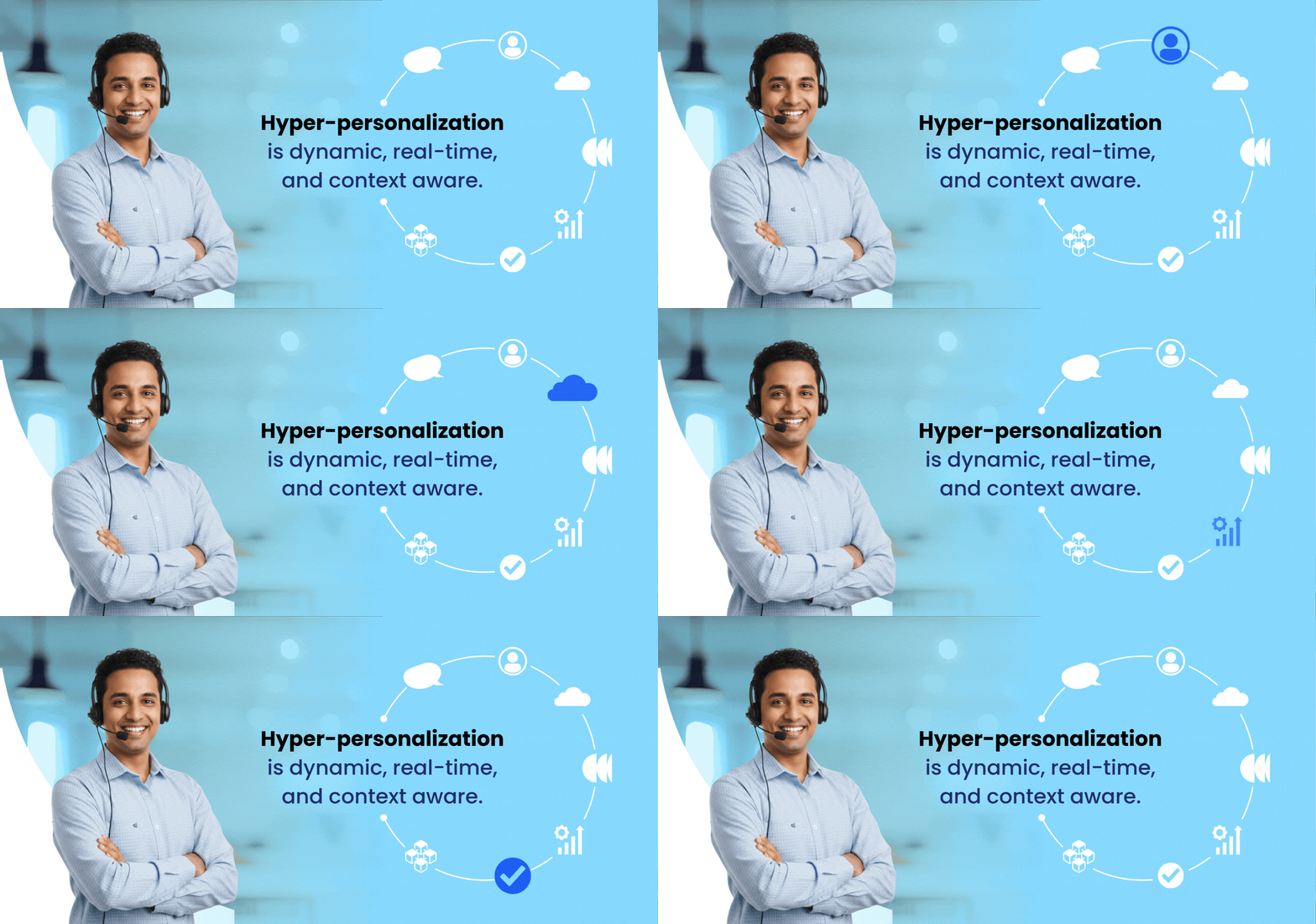
Hyper-personalization is fundamentally different. It’s dynamic, real-time, and context aware. It blends live intent, emotional cues, browsing signals, operational data like order status, and the customer’s immediate context to recommend the next best action in the moment. It doesn’t just “remember the customer.” It understands the customer’s current situation and tailors the conversation accordingly.
While hyper-personalization promises deep loyalty and increased revenue, with fast-growing companies deriving 40% of their revenue from personalization activities (McKinsey) and 71% of consumers expecting personalized experiences (McKinsey), a misstep can quickly erode customer trust and damage the brand. Most teams treat these two approaches as interchangeable. That’s where the CX journey begins to fracture.
Imagine a customer checking in about a birthday gift that’s now delayed and will arrive too late. Your “personalization engine” notices their browsing history and pushes gift recommendations. Marketing fires off a sale notification. When they reach an agent, the dashboard still shows the order as “on track.”
Every system is “personalizing,” yet none acknowledges the customer’s urgency or emotion. Instead of feeling understood, the customer feels ignored, bounced around, and unsupported.
This is where personalization collapses: not because the data is wrong, but because it lacks context.
Where Personalization Breaks the CX Journey
Brands personalize before and after the interaction, but rarely during it. The result is a journey that feels disjointed, detached, and often frustrating. So, what causes this?

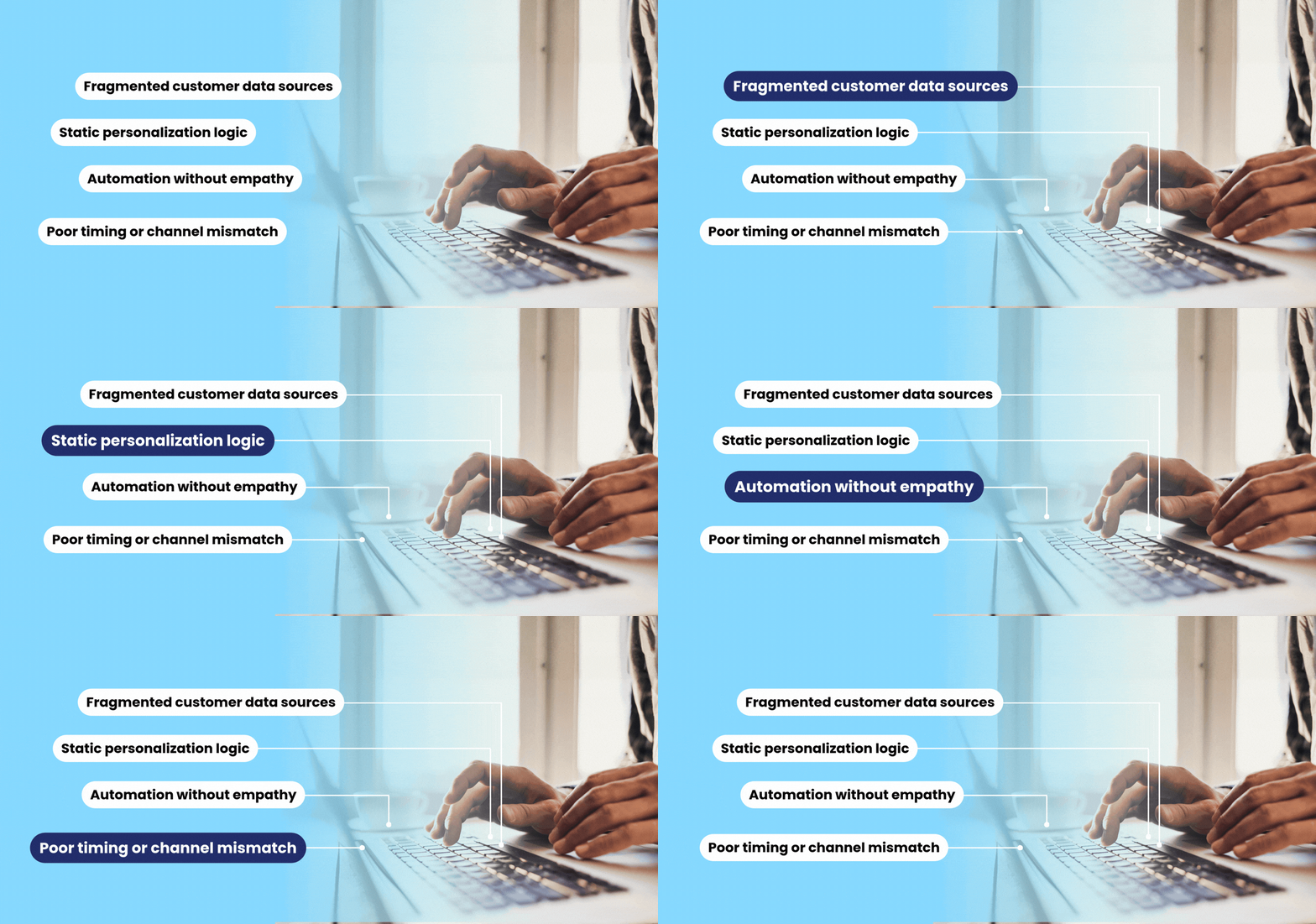
- Fragmented Customer Data Sources: Marketing, sales, billing, and support often live in different silos. The result is inconsistent or conflicting views of the same customer at the moment of contact.
- Static Personalization Logic: Many personalization engines use historical signals (past purchases, demographics) that don’t reflect the customer’s current intent or emotional state.
- Automation Without Empathy: Systems can insert a customer’s name, but they’re limited in the way they can effectively engage in emotionally wrought situations.
- Poor Timing or Channel Mismatch: Even accurate recommendations become harmful when delivered at the wrong time or channel (for example, offering upsells during a complaint resolution).
When personalization misses the customer’s true intent or emotional state, the journey doesn’t just feel generic; it feels broken. Customers are met with tone-deaf messages, conflicting information, and support that seems unaware of their actual situation. Research states that 67% of those customers say they are frustrated when their interactions with businesses aren’t tailored to their current needs. (IBM)
Why Poor Personalization Fails Customers and Frontlines Alike
When personalization fails, consequences cascade across these levels:
Agent Impact
Increased Complexity and Cognitive Load
Agents today are expected to understand more customer data than ever, and most of it comes at them in real time. But when there’s too much information, it stops helping and starts slowing them down. They switch between multiple systems, screens, and documents just to understand what the customer needs. Instead of resolving the issue quickly, they spend time figuring out what matters. This overload leads to mistakes, slower responses, and ultimately, agent fatigue and burnout.
Pressure to “Perform Personalization”
Agents are often required to “perform personalization,” referencing a customer’s location, past purchases, or other data, even when it doesn’t feel natural. This forced personalization can feel awkward or intrusive, particularly when scripted. When personalization feels inauthentic, it can erode morale. Additionally, as contact centers integrate AI assistants, agents may feel pressured to use the suggestions even when they don’t align with their judgment.
More Complaints When Personalization Fails
When personalization systems go awry, they create a significant burden on the frontline: agents must handle the emotional fallout from customers frustrated by misfires (e.g., “Why are you tracking me?”), leading to defensive and repetitive interactions that damage customer trust. Compounding this, the heavy integration of AI means agents can feel their professional judgment is being overridden by algorithmic guidance. This perceived loss of autonomy compels them to follow suggestions even when they disagree, ultimately dampening job satisfaction and degrading overall service quality and morale.
Business Impact
The promise of personalization is offset by its high operational costs and complex regulatory risks, often undermining its potential value. Take a glimpse at the specific challenges leaders face in implementing advanced personalization, from increased frontline friction and unexpected infrastructure costs to the serious exposure created by algorithmic bias and stringent global privacy laws.
Operational Inefficiency
Even with rising investments in AI, CRM, and customer data systems, many organizations see only marginal improvements in customer satisfaction when personalization is not executed at the frontline. Poorly targeted or context-free personalization leads to repeat contacts, longer handling time, reduced first call resolution, and declines in NPS.
Cost and Complexity
Hyper-personalization often requires far more than a user-friendly interface. It demands strong data platforms, analytics teams, deep system integrations, robust compliance processes, and powerful AI models. These investments grow quickly. Also, many personalization programs underestimate the costs of data governance, cleansing tools, and engineering needed to support full-scale data operations. As a result, the return on investment does not always match the rising expenses.
Regulatory and Legal Risk
Personalization strategies must navigate complex privacy laws such as GDPR, CCPA, and emerging state-level regulations in the U.S. These laws impose strict rules on data tracking, profiling, and cross-device identification. Failing to comply can be very costly. In 2024, GDPR fines exceeded US$1.26 billion (Infosecurity). Retailers using personalization must build clear legal and ethical guardrails to avoid regulatory risk when they handle sensitive customer data.
Algorithmic Bias
Algorithms that personalize without careful design may unintentionally discriminate. Research shows that naive personalization approaches can display different offers or pricing to different demographic groups. That discrimination is not just a technical issue. It undermines customer trust and introduces reputational risk. People who feel marginalized or unfairly treated may choose to abandon the brand entirely.
Brand Dilution
When a brand attempts to hyper-tailor every customer experience, it risks losing its shared voice. Instead of a cohesive story, customers may feel like they are interacting with different versions of the same company. Personalization can turn brand experiences into overly transactional engagements. That fragmentation weakens the emotional connection between the brand and its customers.
For leaders like you, personalization is not an isolated marketing KPI. It’s an operational capability that must be translated into real-time action at the point of service.
How UnifyCX Helps CX Leaders Get Personalization Right Through AI + Human Collaboration
When personalization goes wrong, it’s rare because brands don’t care. It’s because personalization is treated as a data exercise, not a human experience. UnifyCX exists to change that. By combining AI precision with human empathy, UnifyCX helps CX leaders deliver personalization that’s real, contextual, and emotionally intelligent at every touchpoint.
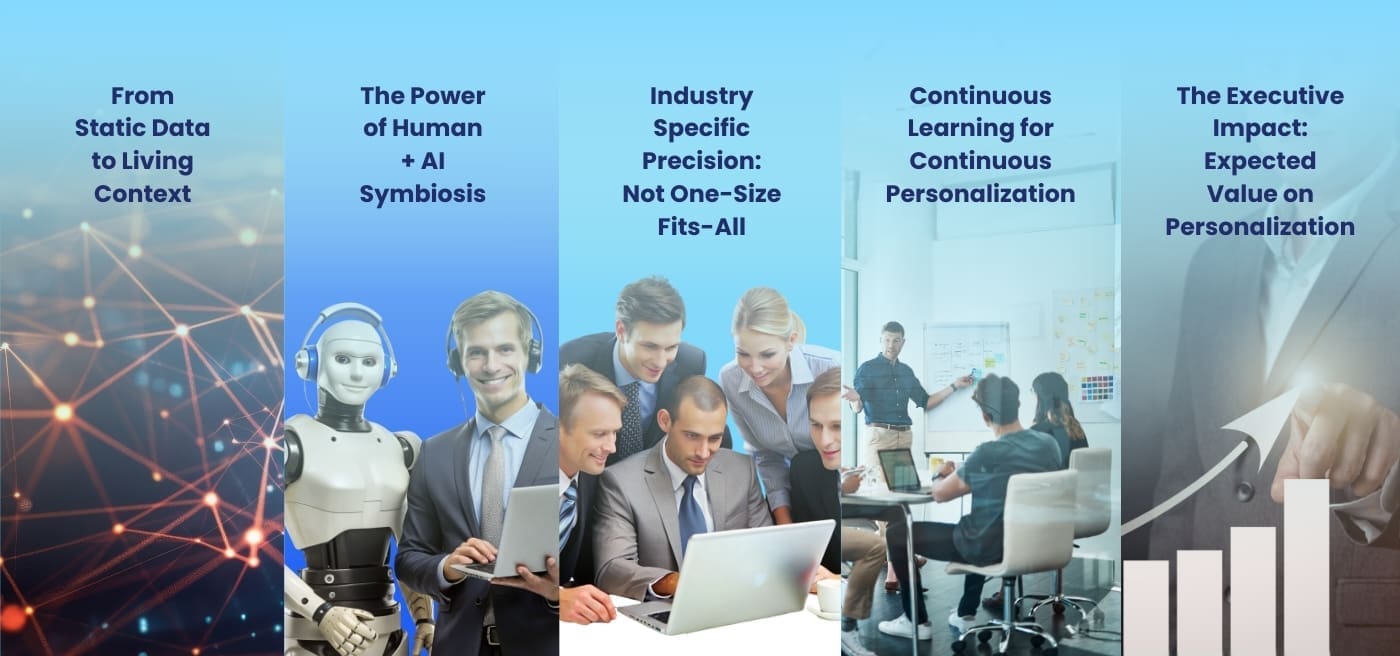
- From Static Data to Living Context
Most CX systems personalize based on past data: what the customer bought, their name, and maybe their location. But customers live in moments, not databases. That’s where UnifyCX’s Agent Assist steps in. It unifies live signals, customer history, tone, intent, and journey stage, all into a single, evolving view that updates in real time. UnifyCX AI surfaces the most relevant information, so agents no longer have to search for what they need. This means when a customer calls, frustrated about a delay, the agent doesn’t just see a generic profile; they see context: the last interaction, the sentiment trend, the product involved, and the right response tone. The result is personalization that feels immediate and human, not robotic. - The Power of Human + AI Symbiosis
We believe AI should amplify human capability, not replace it. Its philosophy is rooted in blending innovation with empathy by combining advanced AI with human expertise. In practice, this means AI handles the routine. Repetitive Tier 1 inquiries are automated with up to 70% deflection rates (freeing agents to focus on nuanced interactions). Humans handle relationships. When emotion, sensitivity, or complex judgment is required, AI assists rather than intervenes, surfacing live recommendations and empathy cues so agents can personalize authentically. This collaboration ensures that every customer interaction benefits from both speed and sensitivity, the two dimensions of true personalization. - Industry-Specific Precision: Not One-Size-Fits-All
Personalization in retail requires more than generic AI prompts. Shoppers expect real-time reassurance on orders, proactive updates, fast resolution for returns, and instant clarity on pricing or promotions. UnifyCX’s AI is trained using retail-specific data such as catalog information, policy rules, product attributes, past interactions, and seasonality patterns. It adapts to your brand language, service philosophy, escalation rules, and emotional cues that matter most in retail conversations. This ensures agents get responses and guidance that feel natural, compliant, and genuinely empathetic, making the customer experience seamless from browsing to post-purchase support. - Continuous Learning for Continuous Personalization
Personalization is not a “set and forget” exercise. Customer expectations, tone, and language shift constantly. UnifyCX addresses this with closed-loop learning; every agent’s interaction, outcome, and feedback loop trains the model to improve the next recommendation. Each conversation teaches the system how to personalize better next time. This continuous refinement ensures that personalization strategies don’t stagnate, but they evolve. - The Executive Impact: Expected Value on Personalization
When personalization is delivered in real time at the frontline, it becomes a measurable value driver rather than a marketing promise. UnifyCX’s unified model helps leaders unlock outcomes that are consistently validated across the industry. This includes:
- Efficiency and Cost Gains
Organizations that deploy real-time agent assistance and workflow automation typically see 10 to 25 percent reductions in handling time and fewer repeat contacts. UnifyCX helps consolidate these improvements into one integrated environment without expanding headcount. - Higher Customer Satisfaction and Loyalty
Context-aware support leads to faster, more accurate, and more empathetic interactions. Industry benchmarks show 8 to 15 percent lifts in CSAT and stronger repeat purchase intent when personalization is aligned with customer context. UnifyCX enables this by bringing history, sentiment, and AI-driven signals together at the moment of need. - Stronger Agent Empowerment and Retention
Reducing cognitive load and simplifying decision-making improves both performance and morale. Centers using real-time guidance often see 15 to 30 percent gains in agent productivity and reduced attrition. UnifyCX reinforces this by giving agents clearer direction, lighter workloads, and greater confidence.

UnifyCX is helping CX leaders realize that the future of personalization is not about choosing between AI and humans, but about the strategic orchestration of both to create a Superhuman CX; one that is both incredibly efficient and deeply human.
Win the Personalization Game
Personalization isn’t about knowing more; it’s about understanding better. Brands that treat personalization purely as a data exercise risk making their customers feel misunderstood or overwhelmed. The companies that win will be the ones that empower their agents through real-time context, empathy cues, and dynamic decision support. When frontline agents are supported by agent assist tools, personalized service becomes authentic, operational, and scalable.