


Traditional and poorly designed chatbots frustrate customers for several interrelated reasons and many arise from the fundamental limitations of their architecture:
- Lack of Context and Understanding: Many bots rely on keyword-matching or rigid decision trees. That means they often fail when customers use natural language, ambiguous phrasing, or ask multi-part or nuanced questions. As a result, a large share of users finds bots don’t “get it.”
- Low Resolution Rates for Complex Queries: While bots may handle straightforward tasks (order status, FAQs), they struggle with complex problems: billing disputes, complaints, refunds; leaving many issues unresolved. According to one survey, only 17% of billing-dispute issues were resolved via chatbots, compared with much higher resolution rates for simple tasks like returns or cancellations. (Gartner)
- Inability to Escalate Seamlessly or Offer Human Touch: Often when a bot fails, customers are either bounced back to a phone queue or forced to start over with a human agent. That abrupt handoff, without context or memory, feels jarring and wastes customer time. Many customers cite “inability to reach a person when needed” as their top frustration with AI-enabled interactions.
- Generic, Impersonal, Scripted Responses: Bots tend to give templated responses, lacking empathy, personalization, or recognition of customer history. Without emotional intelligence or personalization, customers feel like they’re talking to a machine who doesn’t care.
- Erosion of Trust and Brand Perception: A poor “bot first” experience isn’t just frustrating; it harms the brand. One negative chatbot interaction is enough to make 30% of customers abandon a purchase or switch brands. (Forbes)

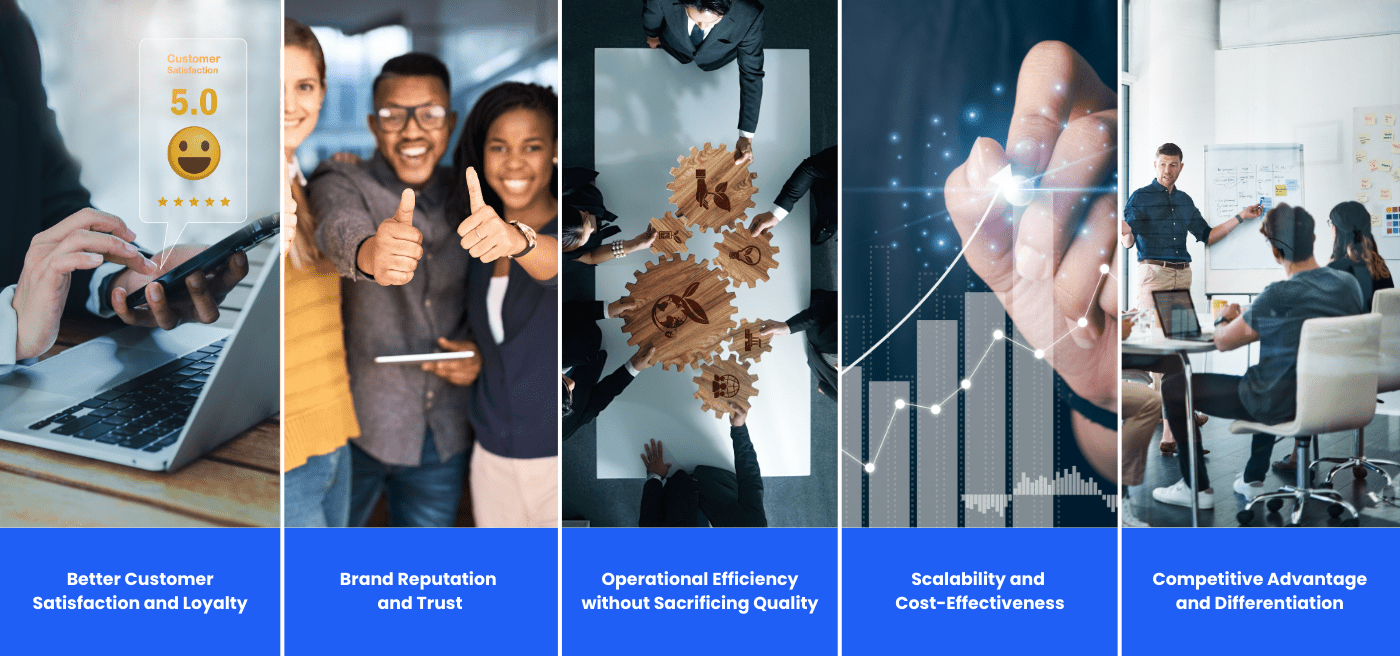
Switching from old-school chatbots to human-like AI isn’t just a “nice-to-have.” For CXOs, Contact Center leaders, Procurement Heads, Quality & WFM Heads, it delivers tangible, strategic value:
- Better Customer Satisfaction and Loyalty: Human-like, context-aware conversations lead to higher resolution rates, fewer repeated escalations, and smoother experiences which in turn help retain customers and reduce churn.
- Brand Reputation and Trust: When customers feel heard and valued, they associate the brand with empathy and credibility, rather than friction and frustration. Bad bot experiences lead to lost sales; good ones build brand advocates.
- Operational Efficiency without Sacrificing Quality: With well-designed AI agents handling routine tasks and simple queries, human agents are freed to focus on complex issues thus improving overall efficiency while maintaining high service quality.
- Scalability and Cost-Effectiveness: Through automation of common flows, companies can scale support 24/7 globally, reducing the need for large teams, yet still deliver high-quality interactions.
- Competitive Advantage and Differentiation: As more customers become wary of poor automation, offering a seamless human-like AI interface becomes a differentiator; especially in sectors like retail, eCommerce, BFSI, travel where customer experience is a key decision factor.
For leaders aiming to stay ahead, especially in fast-changing sectors, this switch isn’t optional; it’s imperative.